
Decision guide
How to get rid of a wasp nest the right way
Every genuine option, weighed up honestly — including the ones we'd never recommend and the one time doing nothing is actually fine.
Send a photo of the nest — fixed-price quote back in minutes, usually a same-day slot.
- 5.0 on Google
- Same-day service
- Fixed price from £99
- Free revisit guarantee
2,000+
Nests treated
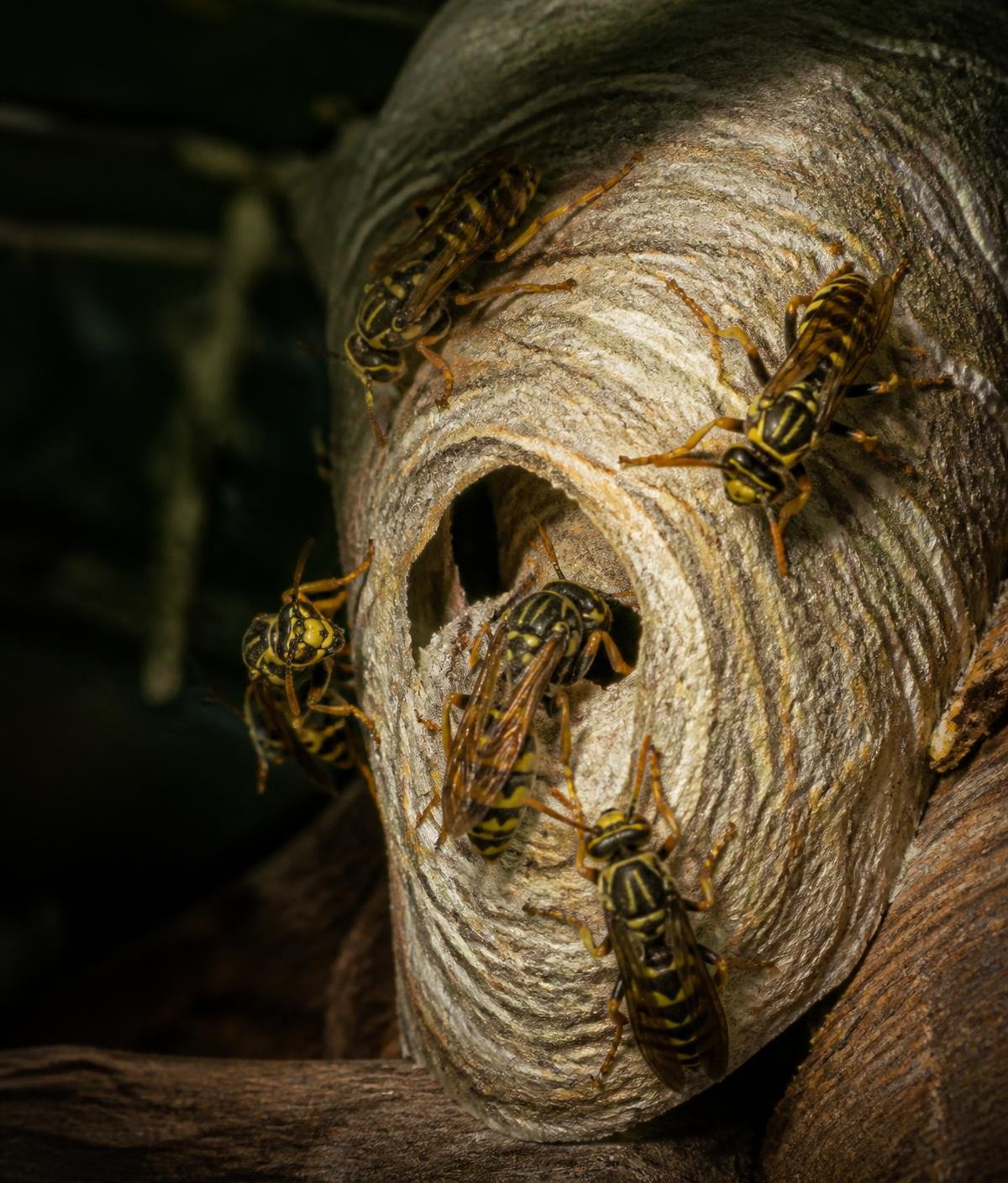
"How do I get rid of a wasp nest" turns up thousands of times a year from Oxfordshire postcodes, and the honest answer is that there are really only four routes: leave it, DIY it, wait for the council, or get it treated professionally. Here's what each one actually involves, not the sanitised version.
Option one: leave it alone
This is genuinely the right call in a narrow set of circumstances — a nest discovered in October, well away from doors and paths, with nobody in the household allergic to stings. Our guide on when wasps die off explains exactly when this becomes sensible. Outside that window, leaving an active nest through summer just means more wasps and more risk by the time you deal with it.
Option two: DIY treatment
Shop-bought foam and powder products can work on nests that are small, low, and reached without a ladder. They fail, often badly, on anything bigger, higher, or hidden — our dedicated page on removing a nest yourself covers where the real risk lies. The most common call-out we get after a failed DIY attempt is a homeowner who's disturbed the nest without killing the queen, leaving a much angrier colony behind.
Never seal or block an entrance before treatment
Sealing the hole a nest uses without treating it first traps thousands of wasps inside a wall or loft void — they will usually find another way out, often into the house.
Option three: your local council
Coverage varies by district. Some Oxfordshire councils still offer a pest control service, others have stopped entirely or restrict it to specific pests. Where it exists, expect a longer wait than a private treatment and no guarantee of a fixed price upfront — worth checking directly before assuming it's the cheap option.
Option four: a professional treatment
A proper treatment kills the colony via the workers carrying insecticide back into the nest, which means the queen and the whole structure dies rather than just the wasps you can see. It's quicker, safer for anyone with a sting allergy, and works on nests DIY products can't reach — in a chimney, behind soffits, or thirty feet up a gable end. See our cost guide for what that involves in Oxfordshire.
- Confirm it's actually a wasp nest, not bees — check before treating anything
- Note the exact location so a treatment can be quoted accurately over the phone
- Keep pets and children away from the entry point until it's dealt with
- Don't block the entrance or disturb the nest before professional treatment
- Book early in the day if possible — wasps are calmer and less active
Whatever you decide, understanding the wasp life cycle helps explain why timing matters as much as the method — a nest treated in July behaves very differently from the same job in late September.
Frequently asked questions
- What's the fastest way to get rid of a wasp nest?
- A professional treatment is the fastest reliable route — most nests stop being a problem within 24-48 hours of treatment, whereas DIY sprays and waiting both take longer and work less consistently.
- Can I just leave the nest and let it die naturally?
- In late autumn, often yes. Earlier in the season, no — the colony will keep growing for weeks yet, so leaving it means more wasps, not fewer.
- Is it worth trying a shop-bought spray first?
- For a very small, low, easily reached nest it's sometimes enough, but most calls we get are from people whose spray attempt made the wasps more aggressive rather than solving anything.
- Will pouring petrol or boiling water down a nest work?
- It occasionally kills some wasps, but it's dangerous, often ineffective on a full nest, and can damage the structure it's poured into. We wouldn't recommend it.
- How do I know if it's a wasp nest or a bee colony?
- Bees are fuzzier, quieter, and far less aggressive around the entrance. If in doubt, check our guide on telling a bee from a wasp before doing anything.
- Does the nest come back after treatment?
- Wasps never reuse an old nest, so once a colony is properly treated that specific nest is finished for good — though a new queen could start a fresh one elsewhere the following spring.
Related guides
We treat nests like this across Oxfordshire
Same-day wasp nest treatment from £99, including these areas:
Nest active? Don't leave it.
Whichever option you're leaning towards, a quick call gets you a straight answer and a fixed price.
Call 01865 477311